
What Makes Raccoons So Unusually Intelligent
Raccoons Are The Criminal Masterminds Of The Wildlife World
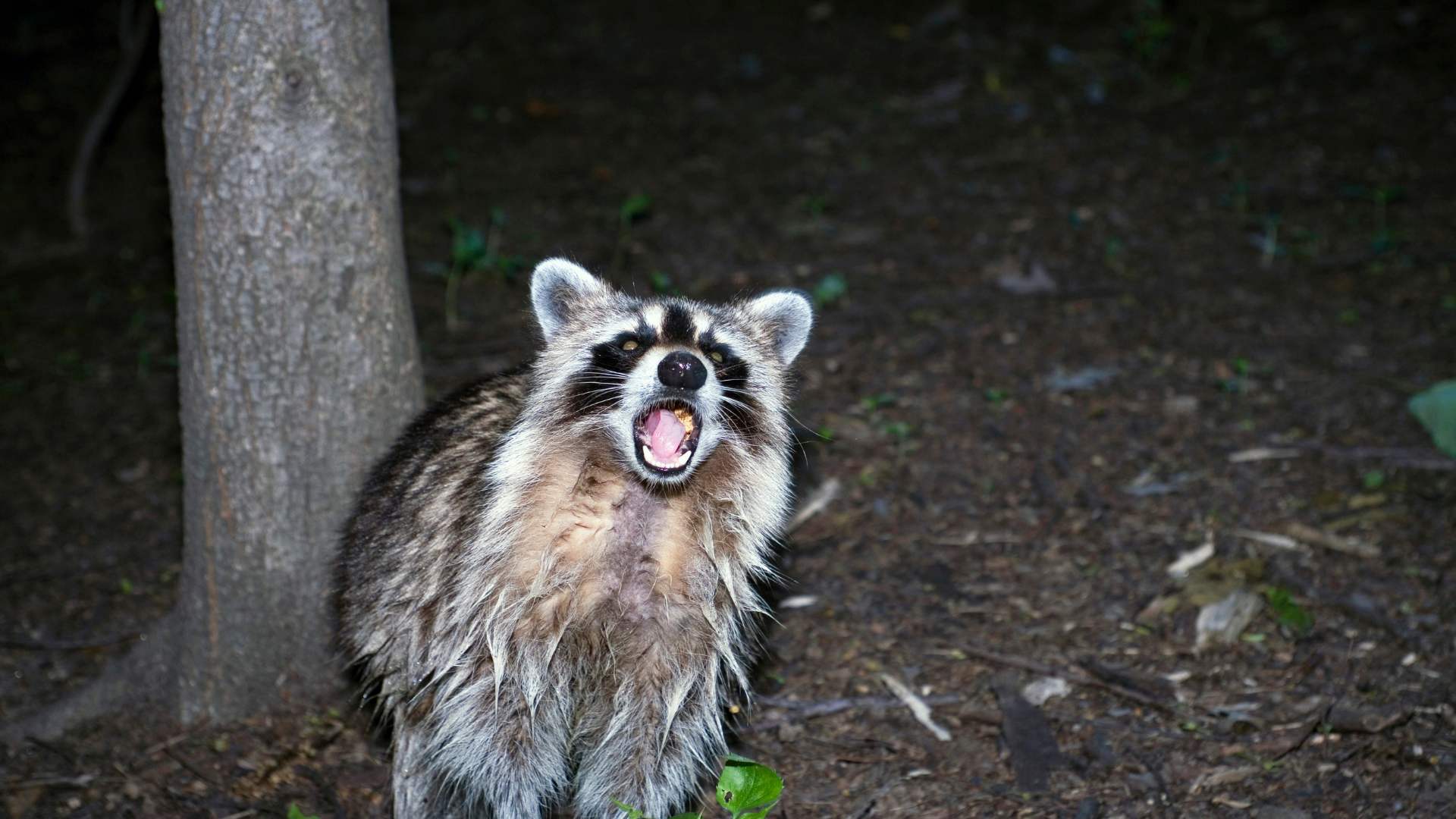
Few wildlife species have developed a reputation quite like the raccoon. Known for curiosity, adaptability, and remarkable resourcefulness, these masked mammals routinely demonstrate behaviors that surprise researchers and homeowners alike. Whether navigating a forest habitat, exploring a suburban neighborhood, or searching for food in a dense urban setting, they display an impressive ability to overcome challenges.
Part of their success comes from an unusual capacity to adjust when conditions change. Many animals struggle when familiar resources disappear or landscapes are altered. Raccoons, however, often identify new opportunities and modify their behavior accordingly. Their flexibility allows them to flourish across a wide range of environments throughout North America.
Intelligence plays a major role in that success. Human development creates obstacles, but it also introduces shelter opportunities, food sources, and countless situations that reward learning and adaptability. Understanding the factors behind their cognitive abilities helps explain why these animals continue to thrive in places where many other species face difficulties.
What Makes Raccoons Different From Many Other Animals?
One characteristic that separates raccoons from much of the wildlife around them is their advanced problem-solving ability. Researchers have observed them overcoming barriers, manipulating objects, and finding creative ways to reach desired resources. When confronted with a challenge, they frequently experiment with multiple approaches until one proves successful. Once a solution works, it is often remembered and applied again when similar circumstances arise.
This ability to learn through trial and error provides a considerable advantage. Instead of depending entirely on instinctive behavior, these animals can adapt based on experience. A route that consistently leads to food is likely to be revisited. If one approach fails, another may be tested until a better outcome is achieved.
Curiosity is another defining trait. Few wild mammals investigate unfamiliar objects and environments with the same enthusiasm. New sounds, structures, and potential food sources often attract immediate attention. While some creatures avoid unfamiliar situations, raccoons frequently view them as opportunities for exploration.
That constant investigation helps reveal resources that might otherwise remain unnoticed. A container, hidden space, or overlooked corner of a property could provide food or shelter. By examining their surroundings so thoroughly, they increase their chances of discovering valuable opportunities that contribute to survival.
The Science Behind Raccoon Intelligence
Scientists have spent decades examining animal cognition, and raccoons continue to attract considerable interest. One reason involves the relationship between brain size and body size. Although intelligence cannot be determined solely by brain measurements, these mammals possess neurological characteristics associated with learning, memory, and behavioral flexibility.
Research has demonstrated impressive memory capabilities. In controlled studies involving latches, locks, and other mechanisms, participants frequently remembered successful solutions long after the initial task was completed. This retention of information allows them to build on previous experiences rather than repeatedly starting from scratch.
Learning from experience represents one of the clearest signs of cognitive sophistication. These animals recognize patterns and often apply previous knowledge to unfamiliar situations. A successful feeding opportunity associated with one type of container may encourage investigation of similar containers elsewhere. Lessons learned in one location can influence behavior in another.
Dexterity also contributes significantly to their success. The front paws contain an unusually high concentration of sensory receptors, allowing detailed information to be gathered through touch. This sensitivity helps them evaluate textures, surfaces, and objects with remarkable precision.
Combined with problem-solving skills, those physical abilities become especially powerful. Raccoons frequently manipulate lids, shift lightweight barriers, and interact with objects in ways that require both coordination and planning. Few wildlife species possess such an effective combination of intelligence and dexterity.
Why Cities Create Opportunities For Clever Wildlife
Urban and suburban environments provide an abundance of opportunities for adaptable animals. Developed areas contain resources that reward persistence, observation, and learning.
Food sources are often plentiful. Garbage containers, outdoor pet dishes, restaurant waste, fruit-bearing trees, and outdoor dining spaces can all attract wildlife. Accessing these resources may require effort, but intelligent animals are often willing to invest that effort if a reward is available. A container lid that seems difficult at first may become much less challenging after repeated investigation.
Bird feeders offer another example. Reaching them may involve climbing, balancing, or navigating obstacles. Persistence frequently pays off, and successful strategies can be remembered for future use.
Shelter opportunities are equally attractive. Attics, crawlspaces, chimneys, sheds, and similar structures provide protection from weather and predators. Animals known for curiosity and problem-solving often become skilled at identifying weaknesses in buildings. Loose materials, damaged vents, and small openings may attract attention during the search for a denning location.
Raccoons also learn by observing patterns associated with human activity. Areas that experience heavy daytime traffic may be visited during quieter periods. Reliable food sources often become part of established travel routes as movements become increasingly efficient.
Memory plays an important role in these behaviors. Productive feeding locations are frequently revisited because successful experiences are remembered. Shelter sites may also be used repeatedly if they have proven beneficial in the past. Familiar territories provide valuable knowledge about available resources and potential risks.
How Intelligence Helps Raccoons Thrive And Creates Challenges
When compared with many rodent species, raccoons demonstrate a distinct approach to problem-solving. Both groups can adapt successfully, but the greater dexterity of these masked mammals allows more complex interactions with their surroundings. Their ability to manipulate objects often creates opportunities unavailable to smaller wildlife.
Compared with numerous other mammals, they stand out because of their flexibility. Landscapes change constantly. Construction projects alter habitats. Food sources shift. Human activity reshapes neighborhoods. Rather than abandoning an area immediately, raccoons often adjust their behavior and continue searching for opportunities.
This adaptability helps explain their continued success in developed environments. New resources created by human activity can quickly become part of a survival strategy. A previously overlooked shelter location or newly available food source may be incorporated into regular movement patterns.
Highly intelligent wildlife can also create challenges for property owners. Persistent investigation of structures may lead to repeated attempts to locate entry points. If one access route becomes unavailable, nearby alternatives may receive attention. Previous experiences often influence future behavior, making these animals especially resourceful when obstacles are encountered.
Researchers remain fascinated by the complexity of their decision-making processes. Evidence suggests that they evaluate potential rewards against possible risks before acting. When several options exist, efficient solutions are often selected. Such behavioral flexibility continues to generate scientific interest and ongoing study.
Raccoons have achieved remarkable success because of a powerful combination of memory, curiosity, dexterity, adaptability, and problem-solving ability. These qualities help them locate food, identify shelter, navigate changing environments, and adjust to life near people. Their intelligence helps explain why they continue to prosper in forests, suburbs, and cities alike. When wildlife begins using a home or other structure as a source of shelter, professional assistance can help address the situation effectively.
Contact us today at Patriot Wildlife to learn more about wildlife control and removal solutions for your property.