
How Wildlife Removal Supports Public Health
Animal Infestations And Their Impact On Community Wellbeing
Wildlife is a natural part of the environment, but when certain species begin to inhabit areas near humans, the consequences can extend far beyond simple nuisance. Unchecked activity by animals such as rodents, raccoons, bats, and even birds can create conditions that elevate the risk of disease exposure. These animals often carry pathogens that are harmless to them but potentially harmful to people. Without proper management, the risk of contamination in homes, workplaces, and public spaces grows steadily. Pathogens can be transmitted through direct contact with animals, their droppings, urine, or saliva, and even indirectly through contaminated surfaces or airborne particles.
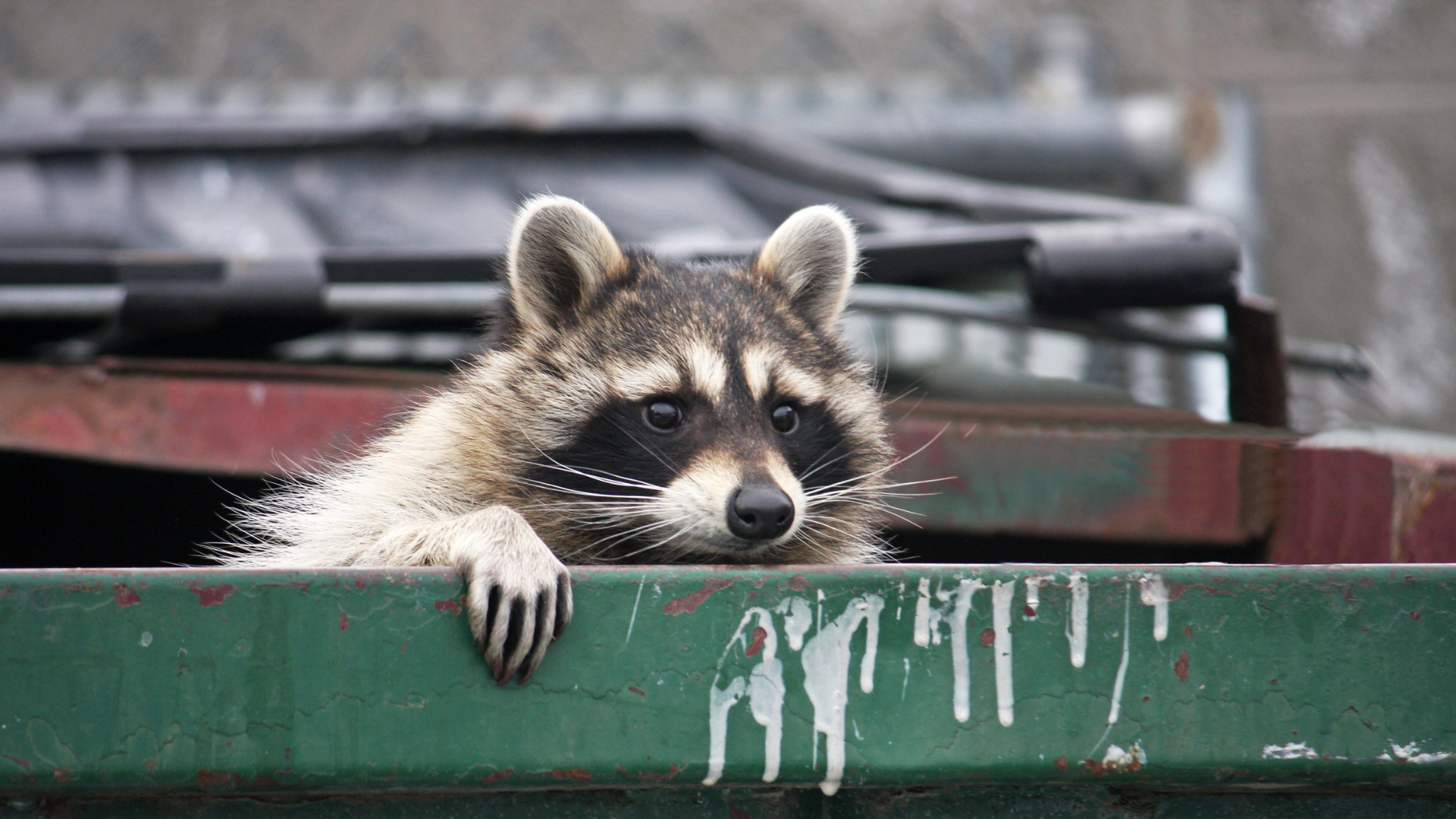
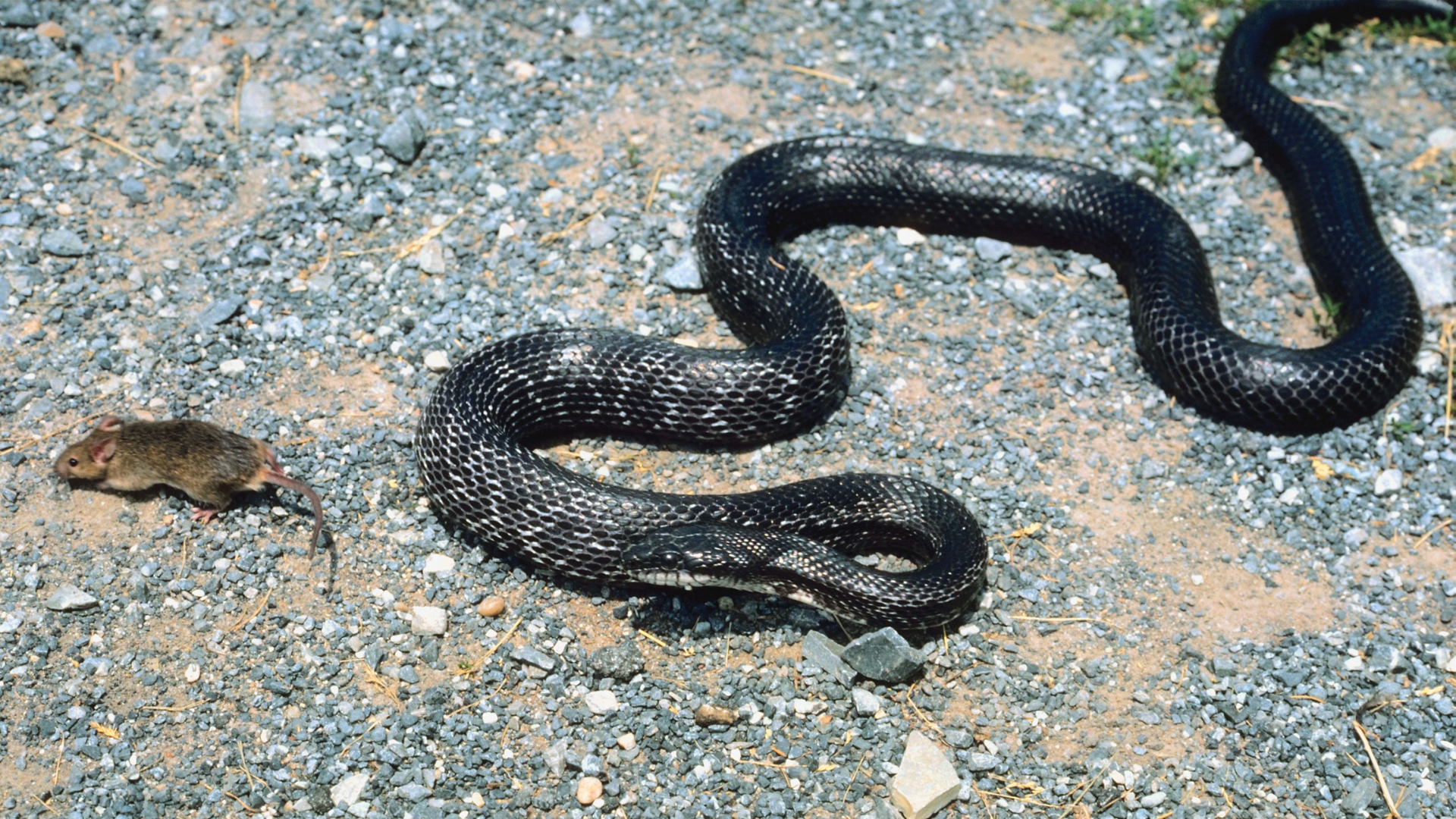
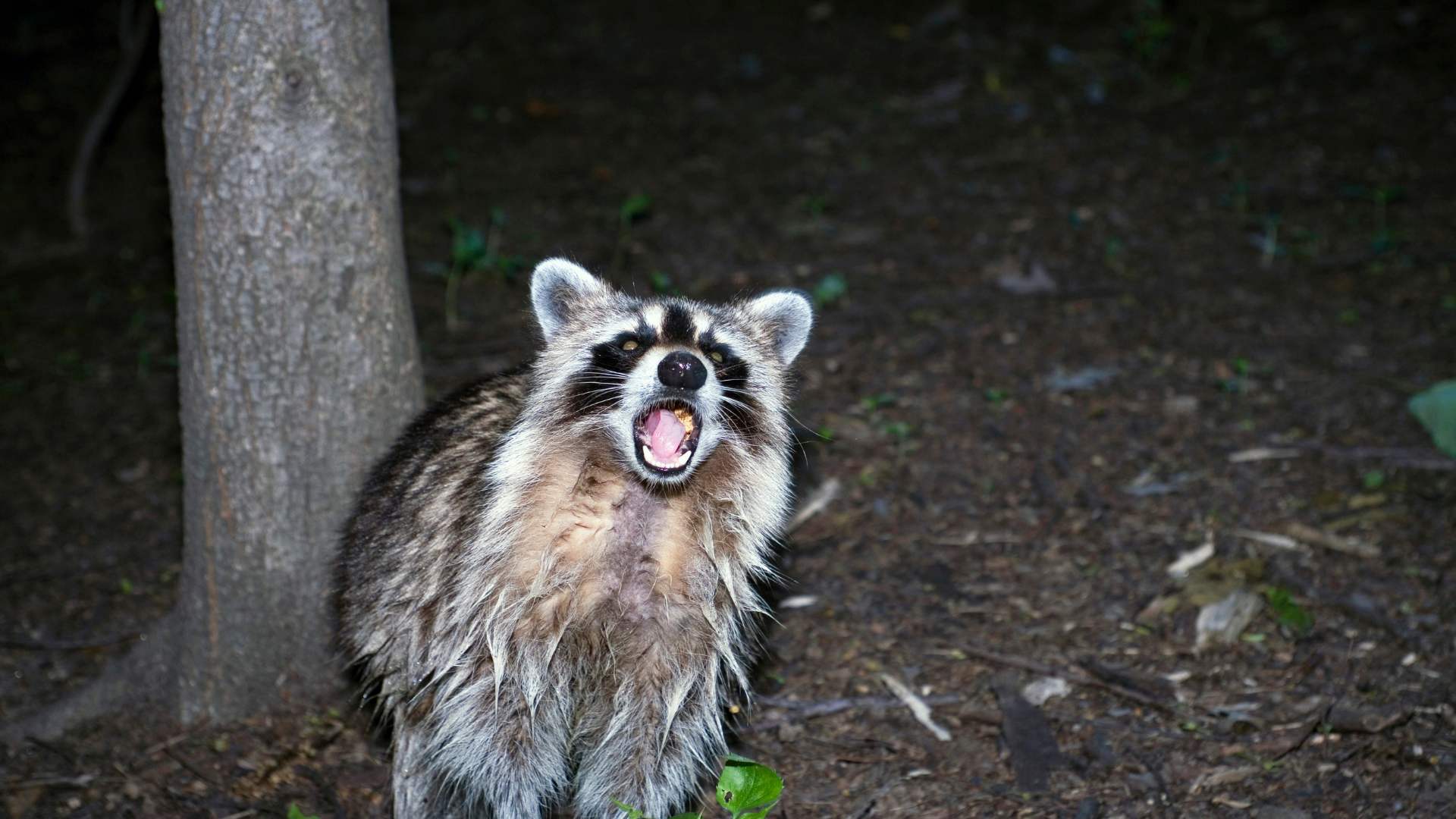
Rodents, for instance, are known carriers of Hantavirus, leptospirosis, and salmonella. A single rodent infestation can introduce a complex web of microbes into a household or commercial setting. Similarly, bats may harbor rabies, while raccoons can spread raccoon roundworm, a parasite that can cause severe neurological complications in humans. Birds are not exempt. Their droppings can accumulate in attics or on ledges, creating conditions for fungal diseases such as histoplasmosis. When animal activity is left unchecked, these risks multiply, turning ordinary spaces into potential hotspots for illness.
Environmental contamination is another concern. Wildlife tends to explore areas where food, water, and shelter are available. As they move through attics, basements, or storage areas, they deposit waste in places humans may not regularly clean. Accumulation of feces and urine can produce ammonia and other harmful compounds, which in enclosed spaces can irritate the respiratory system. Moreover, these deposits often attract insects like flies and mosquitoes, which themselves are capable of transmitting additional diseases. This chain reaction illustrates how the presence of unmanaged creatures directly influences public health outcomes.
How Disease Transmission Occurs In Human Spaces
The pathways through which wildlife-transmitted diseases reach humans are varied and often subtle. Pathogens can be airborne, carried in dust stirred up from dried droppings, or embedded in soil and surfaces where animals have traveled. Even a brief encounter with contaminated material can present a risk if hygiene practices are inadequate. Consider hantavirus, which can be contracted by inhaling dust particles contaminated by rodent urine or feces. This is not merely a theoretical risk, as research has shown that virus-laden dust can linger in poorly ventilated areas for extended periods, increasing the likelihood of human exposure.
Vectors that thrive in animal-inhabited spaces further complicate the picture. Ticks, fleas, and mosquitoes often use larger creatures as hosts, and once they come into proximity with humans, they can transmit diseases such as Lyme disease, plague, or West Nile virus. These interactions are more likely when animals take up residence near buildings, nesting in attics, crawl spaces, or gutters. Human activity, even as routine as entering an attic to retrieve storage items, can unintentionally trigger contact with contaminated surfaces or displaced vectors.
Food and water contamination is another significant factor. Wildlife foraging in gardens, trash areas, or even food storage locations can leave behind harmful bacteria and parasites. Salmonella, E. coli, and other bacterial infections are commonly linked to exposure to contaminated material from rodents or birds. Even minor scratches or bites can allow pathogens to enter the body, highlighting the importance of controlling unexpected intrusions before the issue escalates.
The Broader Implications For Communities
Unchecked activity doesn't only affect individual households. It can also pose challenges for entire neighborhoods or municipalities. Communities with high rodent populations may see increased outbreaks of leptospirosis or other waterborne illnesses, particularly when storm drains, ponds, and standing water are frequented by both humans and animals. Similarly, areas where raccoons or opossums are active may experience greater prevalence of parasitic infections among children and pets.
Public spaces like parks, playgrounds, and recreational trails are also susceptible. Droppings can contaminate soil and surfaces, creating environments where people, especially children, are more likely to encounter harmful organisms. This is compounded by the fact that some species are nocturnal, making detection and management challenging. When animals are allowed to establish nests or dens in these areas, the potential for indirect disease transmission through dust, soil, and vectors increases.
Economic and social impacts should not be overlooked. Infestations can necessitate costly remediation, damage building infrastructure, and even disrupt community services. From clogged gutters and ruined insulation to contaminated ventilation systems, wildlife intrusion can indirectly create conditions that facilitate the spread of disease. These factors illustrate why professional wildlife control is often more than a convenience, it's a preventative measure with tangible public health benefits.
The Role Of Professional Management
Proper management of wildlife in human-adjacent environments is crucial to mitigating the risks outlined above. Professionals employ strategies designed to reduce animal access to buildings, eliminate nesting and foraging sites, and address existing contamination. By limiting direct contact between wildlife and humans, the probability of disease transmission is reduced significantly. Trained specialists also understand how to properly handle droppings and contaminated materials, which can harbor pathogens long after the animals have departed.
In addition to controlling current activity, preventative measures play a central role. Sealing entry points, securing food sources, and maintaining proper sanitation are all critical for keeping wildlife from establishing residence in the first place. This proactive approach reduces not only the immediate exposure risk but also the long-term potential for recurring infestations and community-level health concerns. Effective management is therefore a combination of intervention, cleanup, and prevention, each contributing to healthier living spaces and fewer opportunities for pathogens to reach humans.
The science behind these practices is rooted in epidemiology and environmental health. Studies consistently demonstrate that reducing wildlife presence in human-occupied areas correlates with lower rates of exposure to zoonotic diseases. By addressing the source rather than just the symptoms of contamination, communities can better protect residents and pets alike. This approach also reduces reliance on chemical treatments or broad-spectrum pest controls, which may have unintended environmental consequences, further illustrating the multifaceted value of professional intervention.
Unchecked wildlife activity can create complex pathways for disease transmission, affecting both individuals and broader communities. Rodents, raccoons, bats, and birds can carry a range of pathogens that, when introduced into human spaces, increase the likelihood of infections and other health complications. Contamination of air, surfaces, soil, and water amplifies these risks, while vectors such as ticks, fleas, and mosquitoes further extend the potential for disease spread. By addressing wildlife intrusion through targeted management and preventative strategies, it is possible to reduce exposure, protect public health, and prevent costly property damage.
For homeowners, businesses, and communities looking to mitigate these risks, professional control services offer an informed, effective approach. Our experts at Patriot Wildlife specialize in effectively removing and managing wildlife populations to minimize disease exposure and maintain healthier environments for everyone. Don’t hesitate to
contact us
today, and let us help to make sure your property remains protected from the hidden hazards wildlife may carry.