The Difference Between Independent Wildlife Removal Companies And National Chains
Personalized Wildlife Removal Services From Privately Owned Regional Companies
When an animal gets into a home or commercial building, the problem feels personal. Scratching above the ceiling, droppings in storage areas, chewed trim, damaged vents, and odd noises inside walls can turn a normal week into a frustrating one. Property owners often compare independent wildlife removal companies with national chains because both might appear to offer similar services at first glance. The differences usually become clearer during the inspection, follow-up, and repair discussion. Independent providers are rooted in the communities they serve, so their work is shaped by local construction styles, seasonal animal pressure, wooded corridors, older neighborhoods, farmland, waterways, and commercial zones. National chains may bring broad branding and standardized systems, while smaller regional teams often bring direct communication, familiar faces, flexible scheduling, and area-specific advice.
Direct Communication Creates A Clearer Service Experience
Wildlife issues come with questions. Is the noise from squirrels, raccoons, bats, birds, or mice? Did the animal get in through the roof, chimney, crawl space, vent, or foundation? Is there nesting material behind the wall? Is the problem active right now, or is the damage from earlier activity?
Independent companies often make those questions easier to discuss because customers are more likely to speak with someone closely connected to the field team. The person answering the phone often understands the service area, the inspection process, and the kinds of calls coming in that week. That direct connection helps reduce confusion before the technician arrives.
With a national chain, the first conversation might go through a centralized call center or a scripted intake process. That structure can be useful for large-scale scheduling, but it sometimes creates distance between the customer and the person who will evaluate the property. When animals are active in an attic or damaging exterior materials, extra handoffs can make the situation feel more complicated.
Clear communication after the inspection is an important factor, too. Wildlife control often involves explaining entry points, droppings, insulation disturbance, damaged soffits, loose flashing, torn screens, or gaps along a roofline. A regional provider can describe those findings in plain language and connect them to similar conditions seen in nearby homes or buildings.
Consistent Teams Help Details Stay Connected
Wildlife removal often depends on careful observation. The first visit may reveal possible access points, while later visits show whether activity has changed, whether materials are holding, and whether another opening needs attention. When the same technician or a small group remains involved, those details are easier to track.
Independent wildlife companies often work with smaller crews. The person who inspected the roofline might return to check equipment, seal a gap, or talk through repair options. Even when another technician helps, the notes and field knowledge usually stay close to the people doing the work.
In a large chain model, routing and staffing might place different technicians at the property on separate visits. The work can still be professional, but the customer may need to re-explain sounds, timelines, access points, or previous conversations. A new technician might also need extra time to understand why a certain recommendation was made.
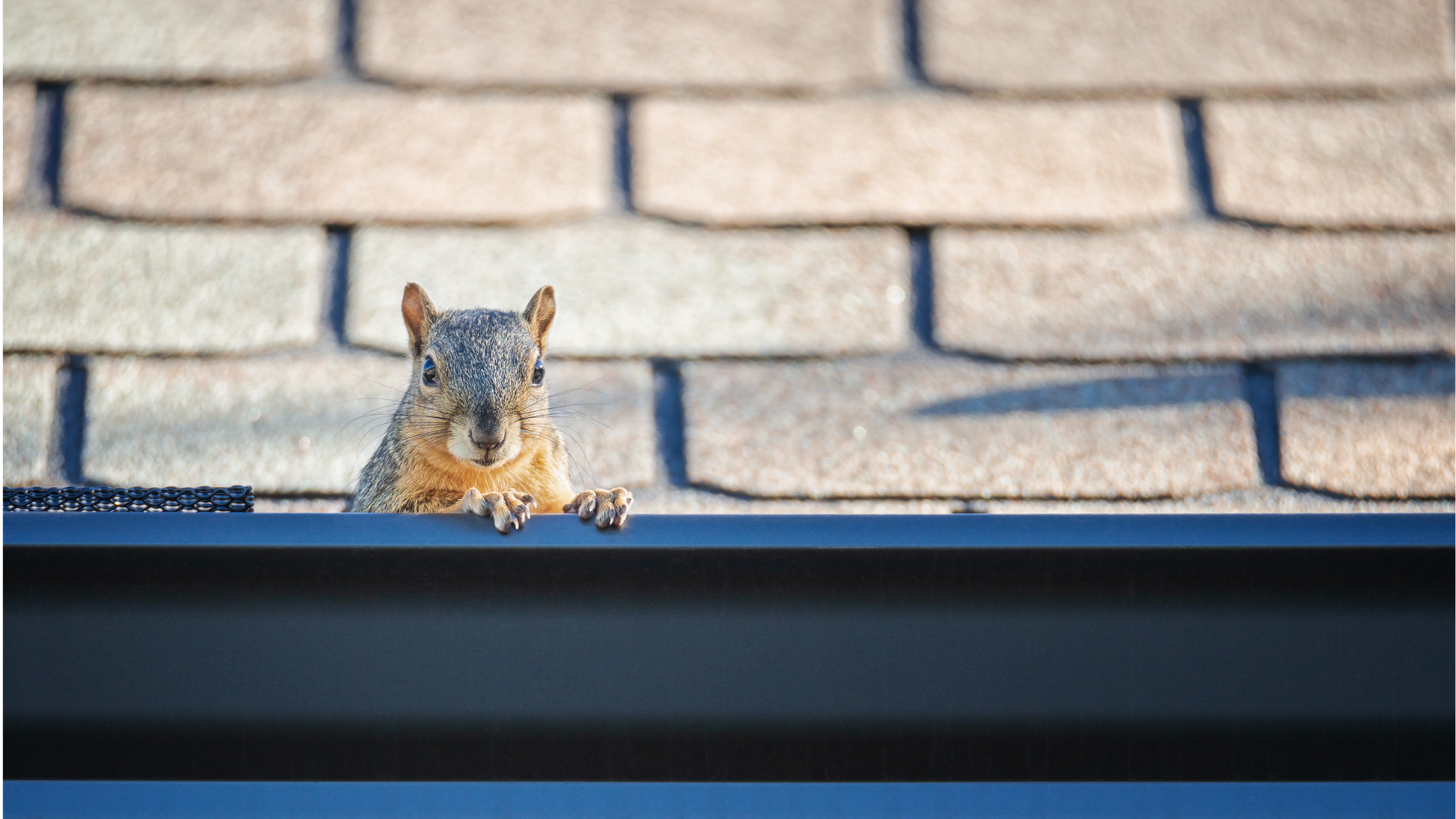
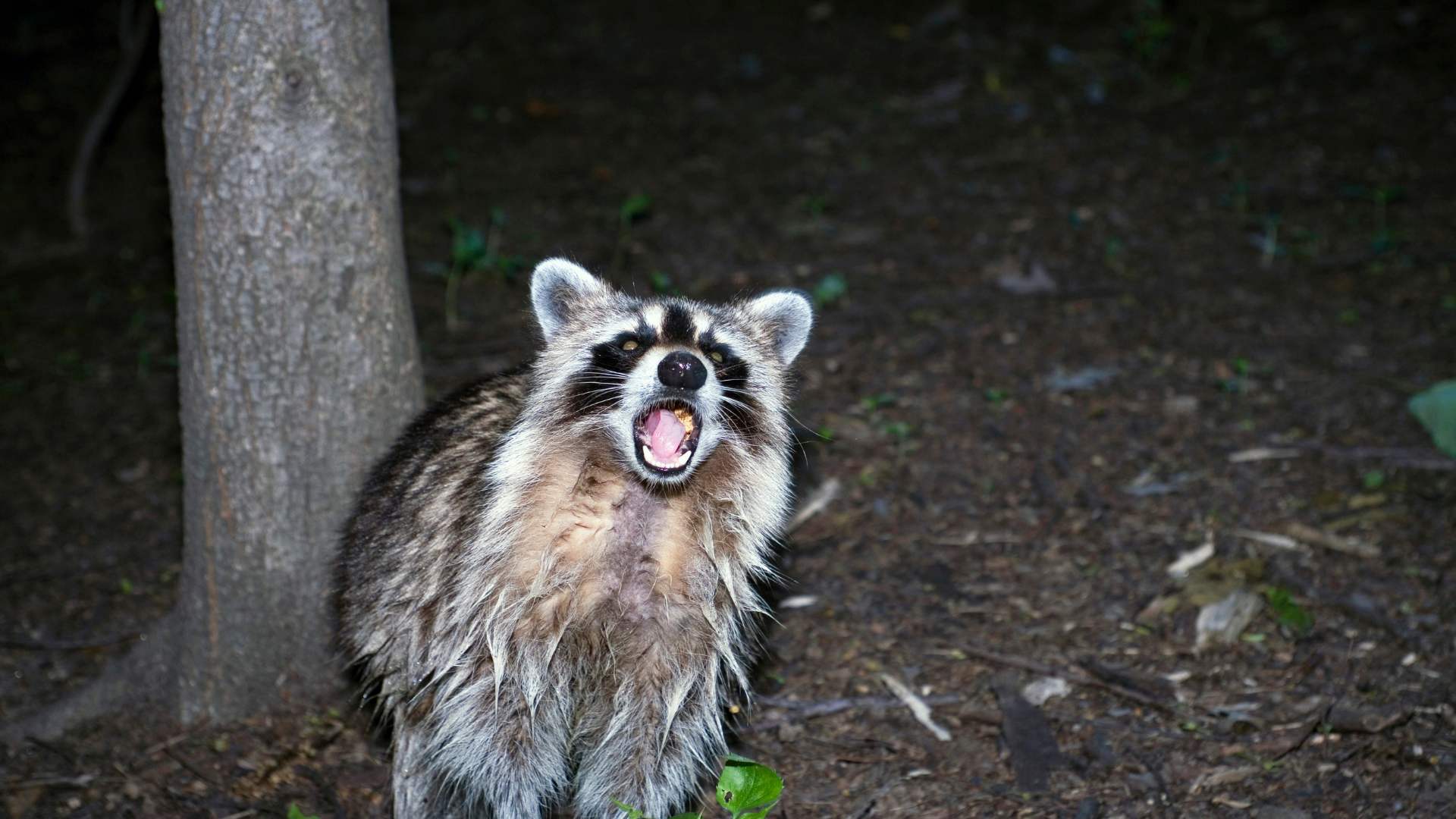
Consistency is especially useful when a structure has several possible entry areas. A squirrel problem near a fascia gap, raccoon activity at a roof return, or birds behind a vent cover may require more than a quick glance. Familiarity with the property helps the service team notice small changes between visits.
Flexible Scheduling Supports Practical Problem Solving
Wildlife activity doesn’t follow a convenient calendar. Noises might be loudest before sunrise or after dark. Damage might appear right before guests arrive, during a busy workweek, or after a storm. In those moments, scheduling flexibility can make a real difference.
Independent companies often have more control over their daily routes. A local dispatcher, manager, or owner-operator may know which technician is nearby, which calls can be grouped efficiently, and which situations call for faster attention. That local control can create a more responsive experience, especially when animal activity is current and visible.
National chains can cover wider territories, but their appointment systems are often tied to corporate routing rules and fixed windows. Those systems may be efficient, yet special circumstances can be harder to accommodate. A property owner might simply be placed into the next opening, even when the situation would benefit from a more tailored schedule.
Flexibility also matters during follow-up. Some wildlife situations require multiple visits because timing affects the result. Weather, roof access, young animals, building materials, and changing animal behavior can influence the plan. A regional company may adjust visit timing to fit the conditions instead of forcing the job into a rigid template.
Regional Knowledge Leads To Better Recommendations
The biggest difference may be the quality of local insight. Wildlife behavior varies by region, and even nearby neighborhoods can have different patterns. A subdivision with mature trees may see frequent squirrel entry. Properties near water may deal with raccoons or other nuisance animals. Older homes often have gaps less common in newer construction.
Independent companies that work in the same region day after day build practical knowledge from repeated field experience. They notice when squirrels become more active around rooflines, when raccoons seek den sites, when birds begin nesting near vents, and when bats are more likely to be discovered in attics or wall voids. That knowledge influences what the technician inspects first and which repairs deserve attention.
This matters because wildlife control should match the real conditions around the structure. A standardized checklist may identify obvious damage, but it might not capture smaller regional patterns. A certain roof design might be vulnerable at the same corner on many homes in a neighborhood. A particular vent cover might fail often where bird pressure is heavy. A small construction gap may look minor, but a local technician may recognize it as a common entry point.
Regional experience also leads to more useful prevention guidance. Instead of offering broad advice that could apply almost anywhere, an independent provider can explain which property improvements are most worthwhile in that service area. That might include trimming branches near rooflines, securing crawl space doors, upgrading vent protection, repairing chimney caps, or addressing loose soffit panels.
Choosing The Right Fit For Your Property
The difference between independent wildlife removal companies and national chains is not simply size. It is how the work is communicated, scheduled, documented, and adapted to the area. Independent companies often provide a more direct line between the customer and the people doing the work. They might offer stronger continuity from visit to visit, more practical appointment options, and recommendations shaped by the wildlife patterns common throughout their region.
For property owners, that rapport can make a stressful situation easier to manage. When a company understands the structure, the animal behavior, and the surrounding area, the service feels more focused and less generic. The goal is to determine how the problem developed, address the access points, and offer practical recommendations that fit the property.
If you need professional help with animal activity in your home or business, don’t hesitate to
contact us today at Patriot Wildlife. We can inspect the situation, explain what we find, and recommend a clear path forward based on the conditions at your property.