
The Long-Term Impact Of Unnoticed Wildlife Activity
How Small Infestations Become Major Property Damage
Buildings are designed to protect what’s inside them, but even well-maintained structures are not immune to intrusion. Animals often take advantage of small vulnerabilities that go unnoticed during everyday use, quietly settling into areas meant to remain sealed and undisturbed. Because these animals are skilled at avoiding detection, their activity can persist for long periods without drawing attention. Over time, that hidden presence begins to influence the building itself, creating a chain of effects that extend far beyond the initial point of entry.
What begins as a single animal seeking refuge can develop into a layered problem involving structure, wiring, air quality, and sanitation. The damage rarely announces itself in dramatic ways. Instead, it compounds through daily use of the property, seasonal changes, and routine wear. Understanding how these issues evolve helps explain why early awareness matters and why delays often lead to more invasive repairs later on.
How Small Entry Points Become Structural Weaknesses
Wild creatures typically enter buildings through existing vulnerabilities rather than creating immediate, obvious damage. A loose vent cover, a narrow gap along the roofline, or a small opening near the foundation can be enough for an animal to squeeze inside. These entry points often form through normal aging, weather exposure, or minor construction shifts. From the exterior, they may appear cosmetic or insignificant, but they provide access to protected interior spaces that animals actively seek out.
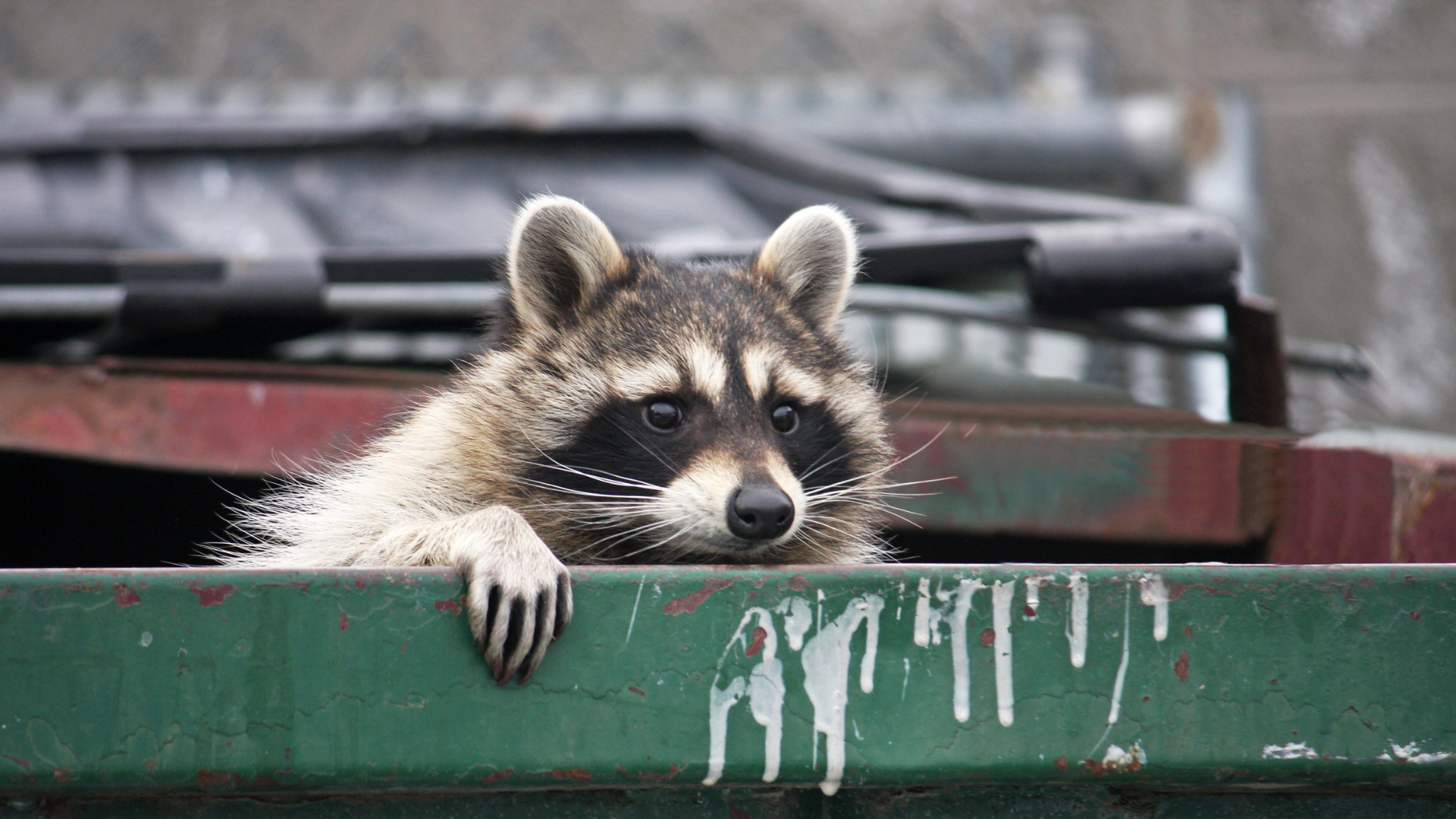
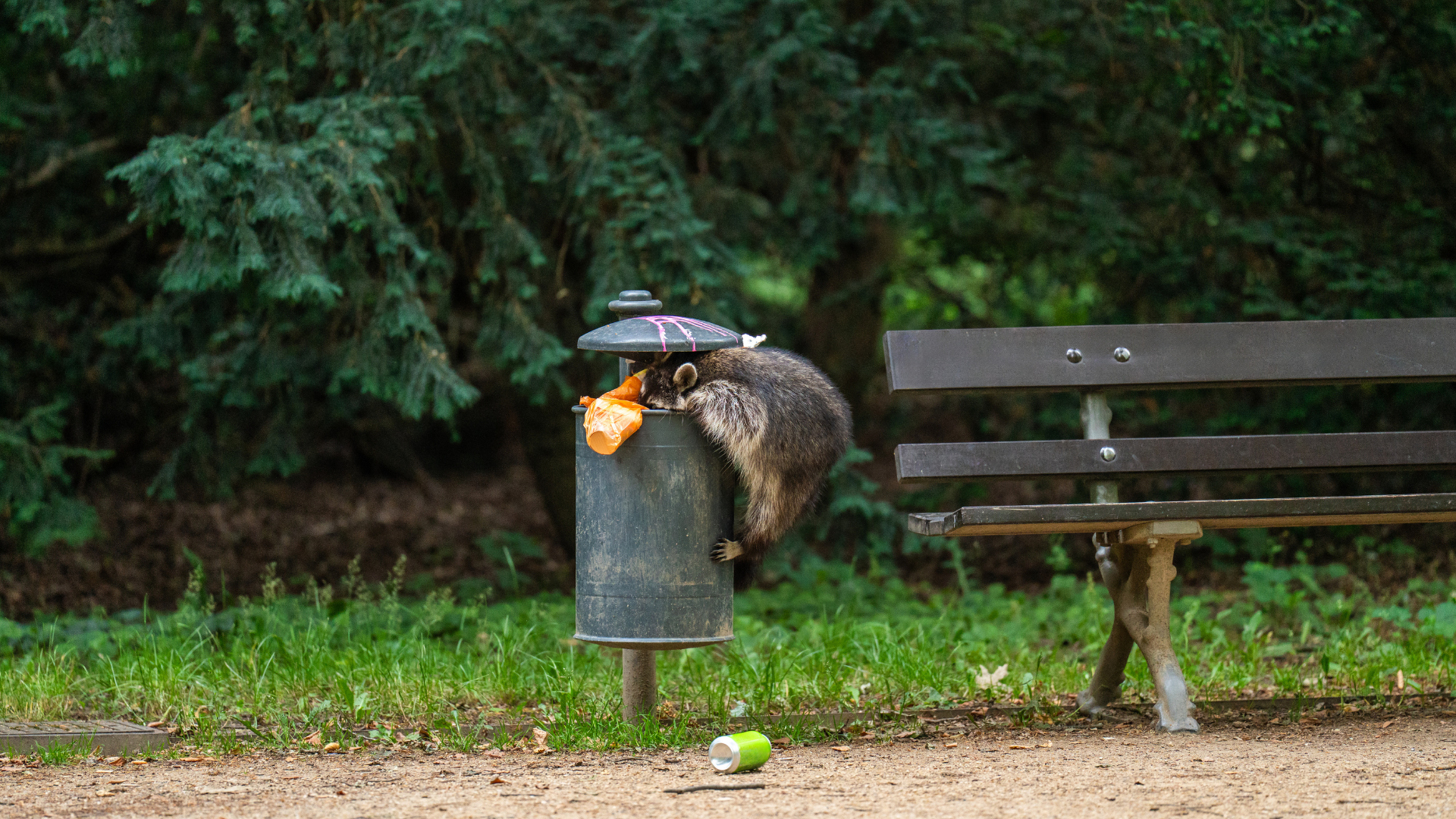
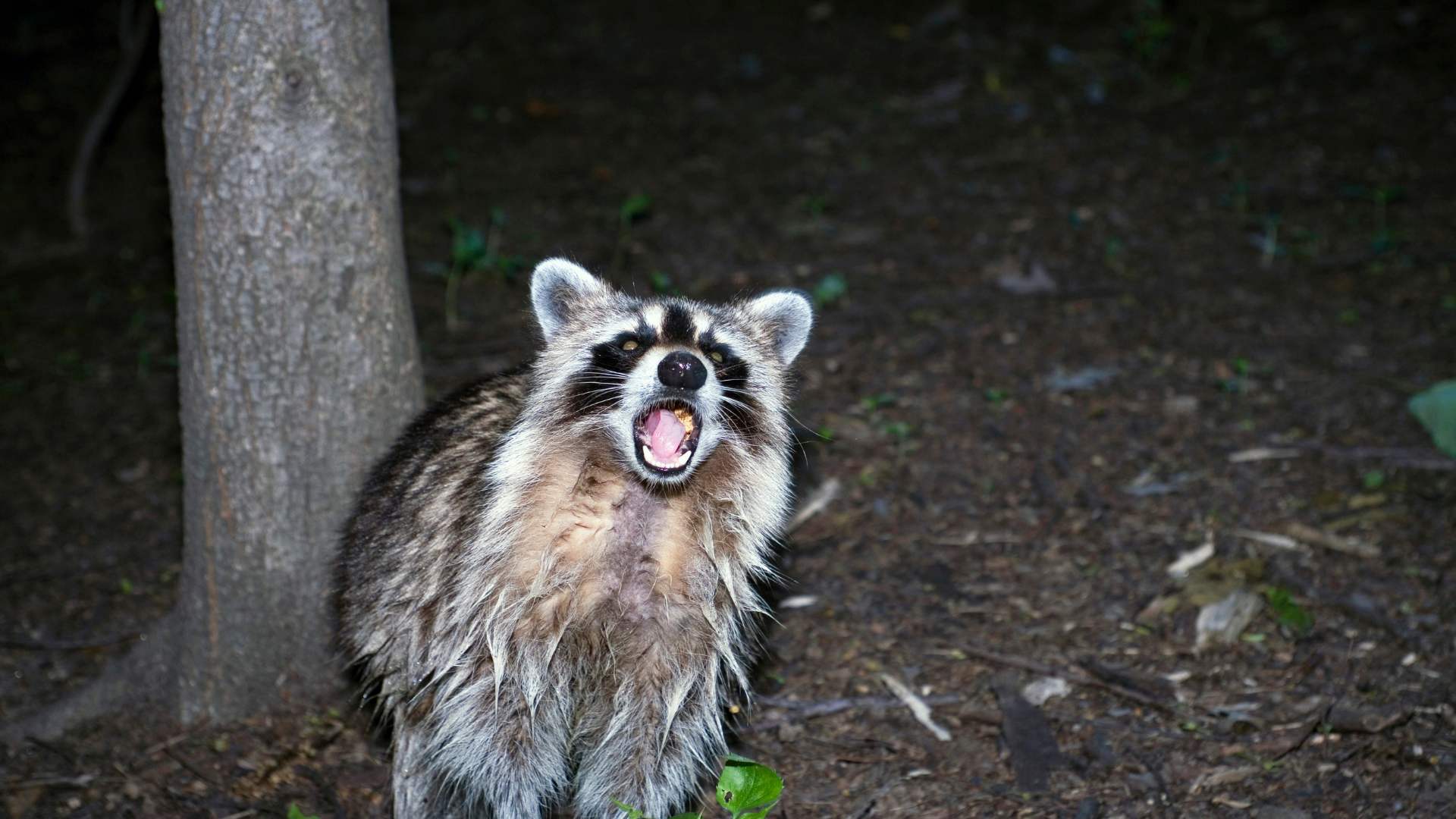
Once inside, the surrounding materials rarely remain unchanged. Rodents, squirrels, and raccoons instinctively gnaw, scratch, and dig as they explore or establish nesting areas. Wood trim, insulation, and drywall are frequently altered to widen access routes or improve shelter. As these materials are disturbed, they lose their original protective function, making it easier for moisture, drafts, and debris to move deeper into the structure.
Moisture intrusion is one of the most damaging secondary effects of these openings. Rain, snow, and condensation can reach framing and support components that were never meant to be exposed. Over time, repeated dampness weakens wood fibers and accelerates deterioration. Seasonal temperature changes add further stress, as materials expand and contract around damaged areas. Cracks gradually widen, fasteners loosen, and once-stable surfaces begin to lose their integrity.
Attics and crawl spaces are particularly vulnerable because damage in these areas often goes unnoticed. Insulation that has been chewed or compressed no longer provides consistent coverage, allowing temperature fluctuations that strain nearby materials. Cold spots can lead to condensation, while heat buildup can dry and weaken surrounding wood. These conditions quietly affect ceilings, interior walls, and roof components above or below.
Animal movement itself can also contribute to structural changes. Repeated travel along joists, beams, or trusses places stress on connection points over time. While this activity may not cause immediate failure, it can contribute to subtle shifts in load distribution. What began as a barely visible entry point can eventually result in sagging surfaces, uneven ceilings, or compromised support that requires extensive repair once discovered.
Electrical System Dangers And Fire Risks
Electrical infrastructure is often one of the first systems impacted by animal activity, yet the signs are easy to miss. Many species are drawn to wiring because it resembles roots or vines, and insulation materials are surprisingly appealing to chew. When protective coatings are stripped away, live wires may be exposed inside walls or ceilings.
This kind of damage does not always cause immediate outages. Instead, it can create intermittent issues such as flickering lights or tripped breakers that appear unrelated. Heat buildup around damaged wiring increases the likelihood of short circuits, particularly when combined with nesting materials like shredded insulation or leaves. These dry materials can trap heat, turning concealed spaces into ignition zones.
Another concern lies in how electrical damage complicates future repairs. Electricians may discover issues only after opening walls, revealing a broader network of compromised wiring than initially suspected. The presence of animals can also obstruct junction boxes or conduits, making routine maintenance more difficult and increasing labor time. When this kind of activity persists, even recently repaired sections can be affected again, extending the disruption and cost involved.
Sanitation Issues And Air Quality Concerns
Beyond physical damage, unchecked activity introduces sanitation challenges that can affect the entire building environment. Droppings, urine, and nesting debris accumulate in enclosed areas, gradually influencing indoor air quality. Odors may start faint and sporadic, leading occupants to attribute them to humidity or aging materials rather than animal presence.
As waste builds up, bacteria and parasites can spread through ventilation systems or disturbed insulation. Fine particles from dried waste can circulate through the air when systems run, contributing to respiratory irritation and lingering smells. These conditions often intensify during warmer months when heat amplifies odors and accelerates decomposition.
In addition, insects are drawn to waste and nesting sites, creating secondary infestations that complicate cleanup. Beetles, flies, and mites can migrate from hidden areas into living spaces, creating discomfort and additional sanitation concerns. Addressing these conditions after extended activity usually requires more than surface cleaning. Materials that absorbed contamination often need removal and replacement to restore acceptable conditions within the space.
The Compounding Effect Of Delayed Detection
One of the most challenging aspects of unnoticed animal activity is how problems reinforce each other. Structural gaps allow moisture intrusion, which weakens materials and makes them easier for animals to manipulate. Damaged insulation alters temperature regulation, increasing condensation and further material stress. Electrical issues raise hazards while remaining concealed, and sanitation concerns spread gradually through shared air pathways.
Because these developments happen incrementally, they often escape notice during routine maintenance. Property owners may address isolated symptoms without realizing they stem from a common source. Each delay allows animals to remain active, expand nesting areas, and cause additional wear. Over longer periods, this layered damage can affect property value and complicate inspections or renovations, since multiple systems may need attention at once.
Early detection interrupts this cycle. Recognizing subtle indicators such as unusual sounds, persistent odors, or unexplained system irregularities can limit the scope of damage. Timely intervention focuses on removal, repair, and prevention rather than reconstruction, preserving both the structure and its internal systems.
Unnoticed animal intrusions have a way of reshaping a property from the inside out, affecting structural integrity, electrical reliability, and overall sanitation in ways that are rarely obvious at first glance. Addressing these concerns sooner rather than later reduces disruption and long-term expense. If you suspect animal presence or want a professional evaluation of potential risks, don't hesitate to
contact us today at Patriot Wildlife to protect your property and prevent minor issues from turning into extensive damage.